
Understanding anxiety within the LGBTQIA+ Community
- Robyn Hunt
- May 15, 2023
- 4 min read

Updated: Jul 30, 2023
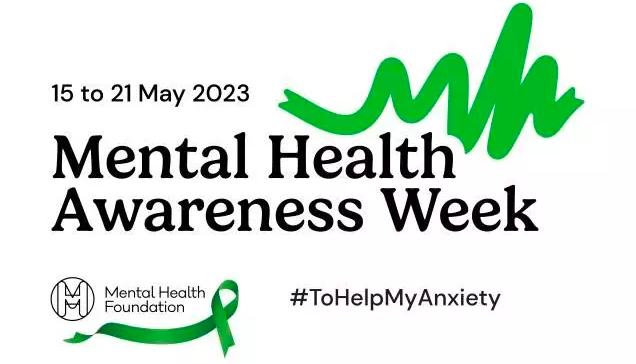
Mental Health Awareness Week, which this year is take place between the 15th and 21st of May, plays a pivotal role in bringing mental health to the forefront of public consciousness. It is an opportunity to engage in open discussions, dispel myths, and reduce the stigma surrounding mental health challenges for all.
This years theme, anxiety, aims to help increase people's awareness and understanding, while keeping up the pressure to demand change to ensure that improving mental health is a key priority for the government and society as a whole. To get involved with Mental Health Awareness Week on social media, use the hashtag #ToHelpMeAnxiety, and tag the Mental Health Foundation.
While anxiety is a common experience for many people, it can be particularly common in members of the LGBTQIA+ community. This is due to a variety of factors, including discrimination and stigma. As of late, the increasingly concerning social and political climate is also having a significantly negative affect on rates of anxiety within the community.
What is Anxiety?
Anxiety is a normal human emotion that is characterised by feelings of worry, fear, or nervousness. At its core, it's a primal response to stress, uncertainty, or danger, which can be helpful in situations such as needing take action or prepare for a potential threat. When anxiety becomes chronic or interferes with daily life, however, it can be a sign of an anxiety disorder, which, as those of us who have experienced it will know, is much less helpful!
Anxiety and the LGBTQIA+ Community
Research shows that members of the LGBTQIA+ community are at a higher risk of experiencing anxiety than the general population. In a survey conducted by the National Alliance on Mental Illness (NAMI), 62% of LGBTQIA+ individuals reported experiencing anxiety compared to 47% of non-LGBTQIA+ individuals. And, according to a survey by The Trevor Project, 72% of LGBTQIA+ youth reported feeling anxious or stressed in the past month.
These statistics highlight the importance of addressing anxiety in the LGBTQIA+ community and providing support and resources to help individuals cope with the unique challenges they may face. To do that, we must first understand why the LGBTQIA+ community experiences higher rates of anxiety than the general population. Here are some contributing factors:
Discrimination and Stigma: LGBTQIA+ individuals are often subjected to discrimination, stigma, and harassment from colleagues, friends, family members, and often, complete strangers. This can lead to feelings of shame, self-doubt, and insecurity, all of which can contribute to anxiety.
Social and Political Climate: The current social and political climate is contributing enormously to risk of anxiety within the LGBTQIA+ community. Issues such as sports equality, bathroom bills, misgendering and deadnaming protections, book bans, and anti-drag policies are creating a sense of uncertainty and fear for many individuals.
Trauma: Many members of the LGBTQIA+ community have experienced trauma related to their sexual orientation or gender identity. This can include bullying, harassment, physical violence, family rejection, or sexual assault. In many cases, trauma can lead to anxiety, depression, and other mental health issues.
Internalised Homophobia/Transphobia: Some individuals in the LGBTQIA+ community may struggle with internalised homophobia or transphobia. This is a type of self-hatred or shame related to one's sexual orientation or gender identity. Internalised homophobia/transphobia can lead to high levels of anxiety, depression, and low self-esteem.

Coping with Anxiety in the LGBTQIA+ Community
If you are a member of the LGBTQIA+ community and you are struggling with anxiety, or you'd like to help a member of the LGBTQIA+ community that is struggling, here are a few things you can do:
Seek Support
If you are struggling, one of the most important things you can do is to seek support from others. This can include friends, family members, a therapist, or a support group. Talking to someone who understands what you are going through, and accepts you, can be incredibly helpful.
If you know someone who is struggling, providing them with the help they need to find a support system that works for them is vital. Perhaps point them in the direction of a local support group, encourage them to look into therapy, or just be there to listen and support them when they need it.
Practice Self-Care
If you are struggling, practicing self-care is incredibly important when coping with anxiety. This can include things like getting enough sleep, eating a healthy diet, exercising regularly, and engaging in activities you enjoy.

If you know someone who is struggling, encourage them to take the time they need to look after themselves. Highlighting the importance of self-care is often all that's needed to get someone on the right path.
Challenge Negative Thoughts
If you are struggling with anxiety that is fuelled by negative thoughts and beliefs, it can be helpful to challenge these thoughts by asking yourself if they are true, realistic, or helpful.
If you know someone who is struggling with negative thoughts and beliefs, help them to challenge them by asking if the thoughts/beliefs are true, realistic, or helpful. This will prompt them to ask the questions themselves in the future.
Learn Coping Strategies
If you are struggling, there are many coping strategies that can help you manage your anxiety. These can include deep breathing exercises, progressive muscle relaxation, mindfulness meditation, and cognitive-behavioural therapy (CBT).
If you know someone who is struggling, pointing them in the direction of potential coping strategies will help to normalise them, which will encourage them to take action.
Get Involved
If you're struggling, getting involved in activism or community organisations can be a productive way to cope with anxiety. By working towards a common goal, you can feel a sense of purpose while being surrounded by those who understand and support you.

If you know someone who is struggling, pointing them in the direction of an organisation and/or joining one with them is a great way to show your support.


Comments